Driving an automatic car in Melbourne can make learning to drive simpler because you can focus more of your attention on the road, traffic, pedestrians, trams and your surroundings instead of managing gear changes.
Whether you’re a complete beginner, preparing for your Victorian Drive Test, or looking for lessons around Melbourne’s busy suburban roads, this guide explains what you need to know about automatic driving and the skills that matter most.
Why Automatic Driving Works Well for Melbourne Learners
Melbourne driving can involve heavy traffic, frequent stops, multi-lane roads, busy intersections, roundabouts and trams. An automatic car removes the need to operate a clutch and change gears manually, giving you more attention to the things that actually matter on the road.
For a learner driver, that means you can spend more time developing observation, steering control, speed management, signalling, safe gap selection and decision-making.
Learning around Pakenham?
Local lessons can help you practise these skills in the roads and traffic conditions you’ll actually drive in.
Understanding an Automatic Car
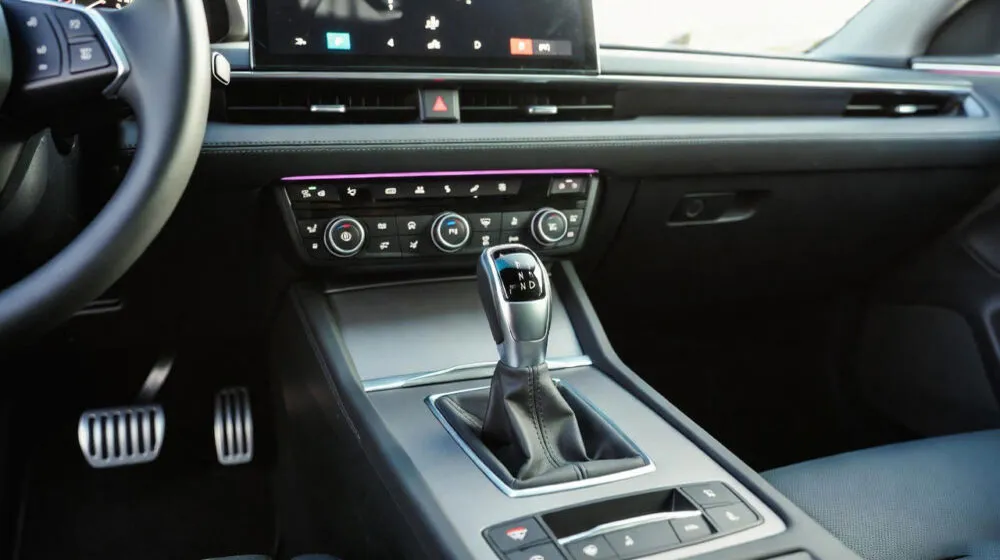
Most automatic cars are straightforward to operate. You normally control the vehicle with two pedals: the accelerator and brake. Use your right foot to operate both pedals and keep your left foot away from the pedals.
The main gear positions are:
- P (Park): Select Park when the vehicle is parked and you are getting out.
- R (Reverse): Used when reversing the vehicle.
- N (Neutral): Disconnects the normal drive engagement. Follow your vehicle manufacturer’s instructions for when Neutral should be used.
- D (Drive): The normal setting for forward driving.
Select Park or Reverse only when the vehicle is fully stopped. For Neutral, follow the vehicle manufacturer’s instructions and use it only when appropriate for the driving situation.
Automatic Driving Skills You Need in Melbourne
Driving an automatic car is simple to operate, but passing a driving test requires much more than knowing which pedal to press. You still need strong observation, road positioning and decision-making skills.
- Control your speed.
Choose a speed that suits the road, traffic and weather conditions. Don’t rely only on the posted speed limit. - Build strong observation habits.
Check mirrors, blind spots, intersections, pedestrians, cyclists and the wider road environment before making decisions. - Keep a safe following distance.
Leave enough space to react when traffic slows or stops. - Position the car correctly.
Choose the correct lane and maintain a safe road position before turning, changing lanes or approaching an intersection. - Choose safe gaps.
Don’t rush into traffic. Take enough time to assess vehicles, pedestrians and other road users before moving. - Practise smooth braking and acceleration.
Automatic cars may creep forward when the brake is released. Learn to control that movement smoothly, especially in slow traffic and parking areas.
Driving Around Trams and Hook Turns in Melbourne
Melbourne’s tram network creates situations that learner drivers need to understand before driving independently. You may need to share the road with trams, cross tram tracks or deal with tram stops and tram lanes. When a tram stops at a roadside tram stop without a safety zone, you must stop behind the tram and wait until the doors close and the road is clear of pedestrians before passing.
Hook turns are another feature of Melbourne driving. Where a hook-turn sign applies, vehicles must turn right from the left lane and wait in the correct position until the traffic lights change for the road they want to enter.
These situations are easier to handle when you understand the road rules and practise them in real traffic rather than simply memorising a route.
Preparing for the Victorian Drive Test in an Automatic Car
The Victorian Drive Test checks whether you can drive safely and independently with other traffic. The test includes a pre-drive check and an on-road driving component.
Before test day, focus on the skills you will use throughout the drive:
- Observation and head checks
- Safe speed management
- Correct signalling
- Safe gap selection
- Following distance
- Lane changes and road positioning
- Intersections and roundabouts
- Stopping correctly
- Parking and reversing
- Independent decision-making
If you are preparing for the test, don’t focus only on memorising a particular test route. Build driving habits that you can use on unfamiliar roads as well.
You can also read our Victorian Road Rules guide to review the rules you need to apply while driving.
What Happens If You Take Your Drive Test in an Automatic Car?
If you take your Victorian probationary Drive Test in an automatic vehicle and pass, an A condition is placed on your licence. This means you must drive an automatic vehicle while that condition applies.
If you later want to remove the automatic transmission condition, you need to follow the current Victorian licence requirements for removing an A condition.
Automatic Driving Lessons in Melbourne
Reading about automatic driving is useful, but real progress comes from practising the skills in real traffic. A qualified driving instructor can help you improve observation, speed control, positioning, signalling and independent decision-making while you build confidence behind the wheel.
Start Driving School provides automatic driving lessons for learners who want practical, structured training in a modern automatic car.
If you’re learning in the south-east, you can also explore our Narre Warren driving lessons
For the latest Victorian licensing and road-rule requirements, check the official Transport Victoria guidance before your driving test.
Frequently Asked Questions
Is an automatic car easier for learner drivers?
For many learners, an automatic car is easier to operate because there is no clutch or manual gear changing. This can leave more attention for observation, road positioning and traffic.
Can I take the Victorian Drive Test in an automatic car?
Yes. You can take the Victorian Drive Test in an automatic vehicle. If you pass in an automatic vehicle, an A condition applies to your probationary licence.
Do you offer automatic driving lessons?
Yes. Start Driving School provides automatic driving lessons for learners preparing for everyday driving and the Victorian Drive Test.
What should I practise before my driving test?
Focus on observation, safe speed, signalling, road positioning, gap selection, following distance, intersections, lane changes, parking and independent decision-making.
Call • SMS • WhatsApp • Book Online
Build Your Driving Skills With Start Driving School